Another Realm: Cursed Friends

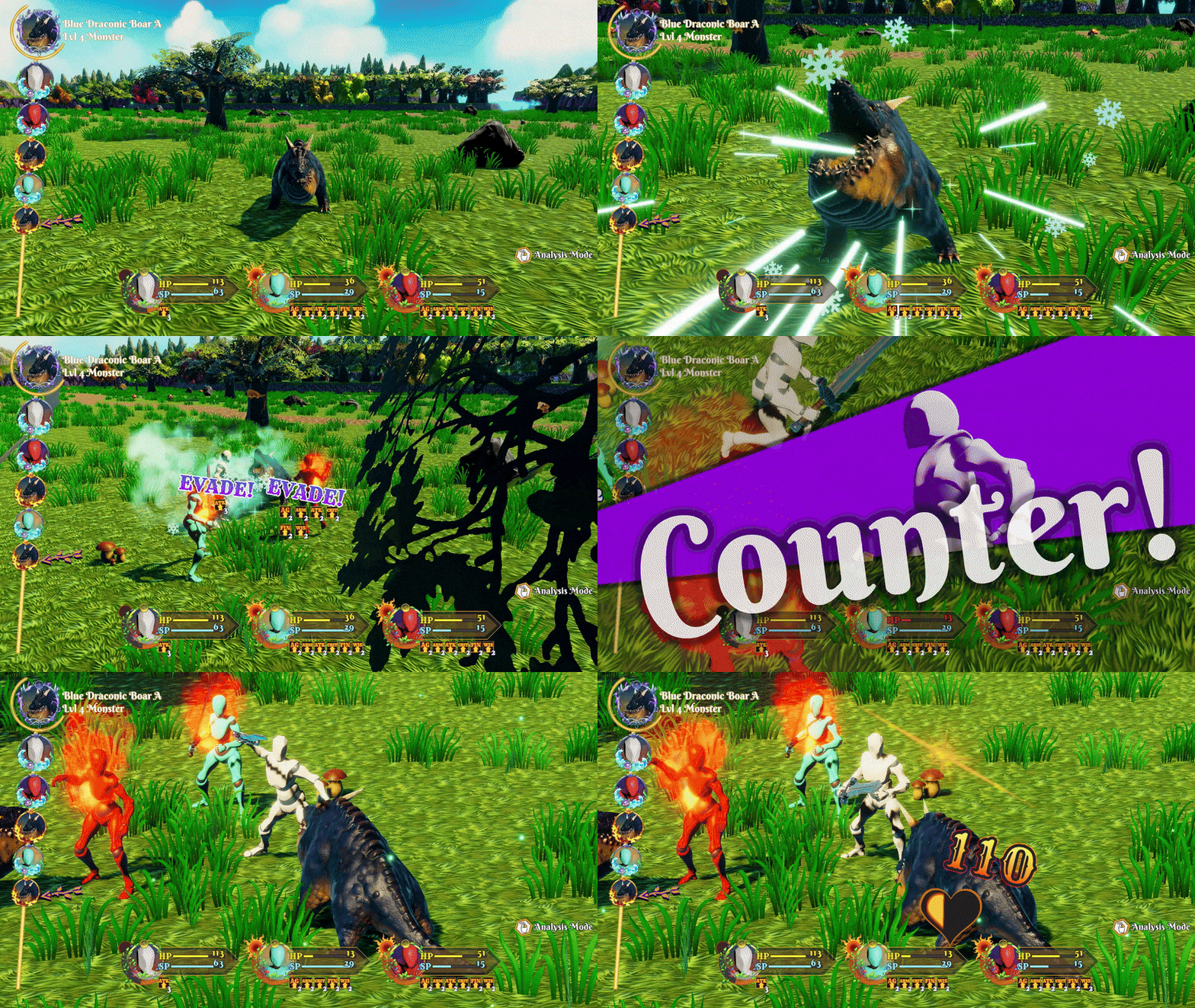
A tactical RPG blended with a social sim. A group of friends discover a portal to another realm in their school basement where they are cursed into mythical beings. Adventure with your friends through the eccentric fantasy realm to remove your curse whilst navigating high school and preparing for university.


Programmer, Game & Narrative Designer, UI, VFX

Unity

C#

6 months

1 Team Member

About Development

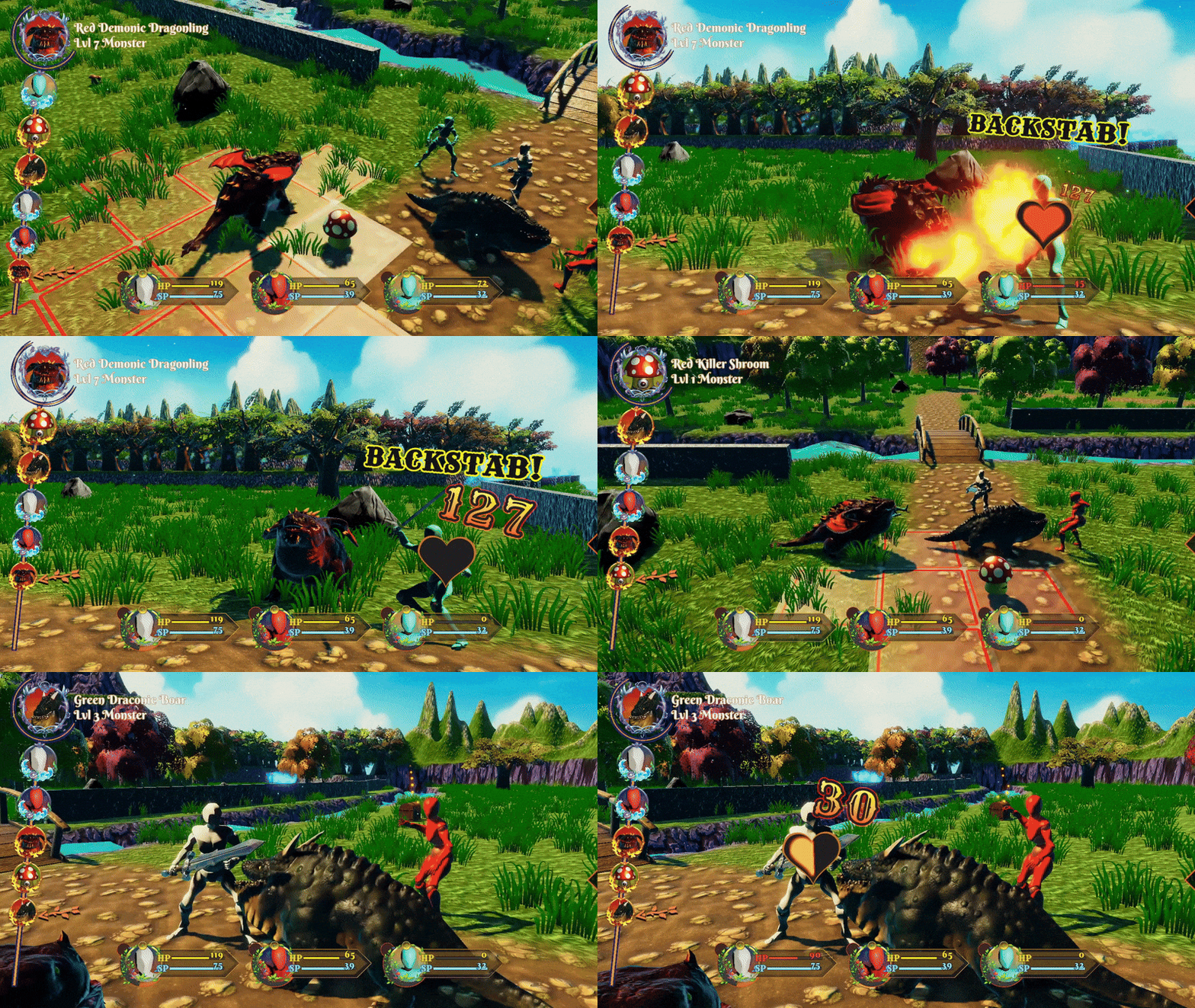
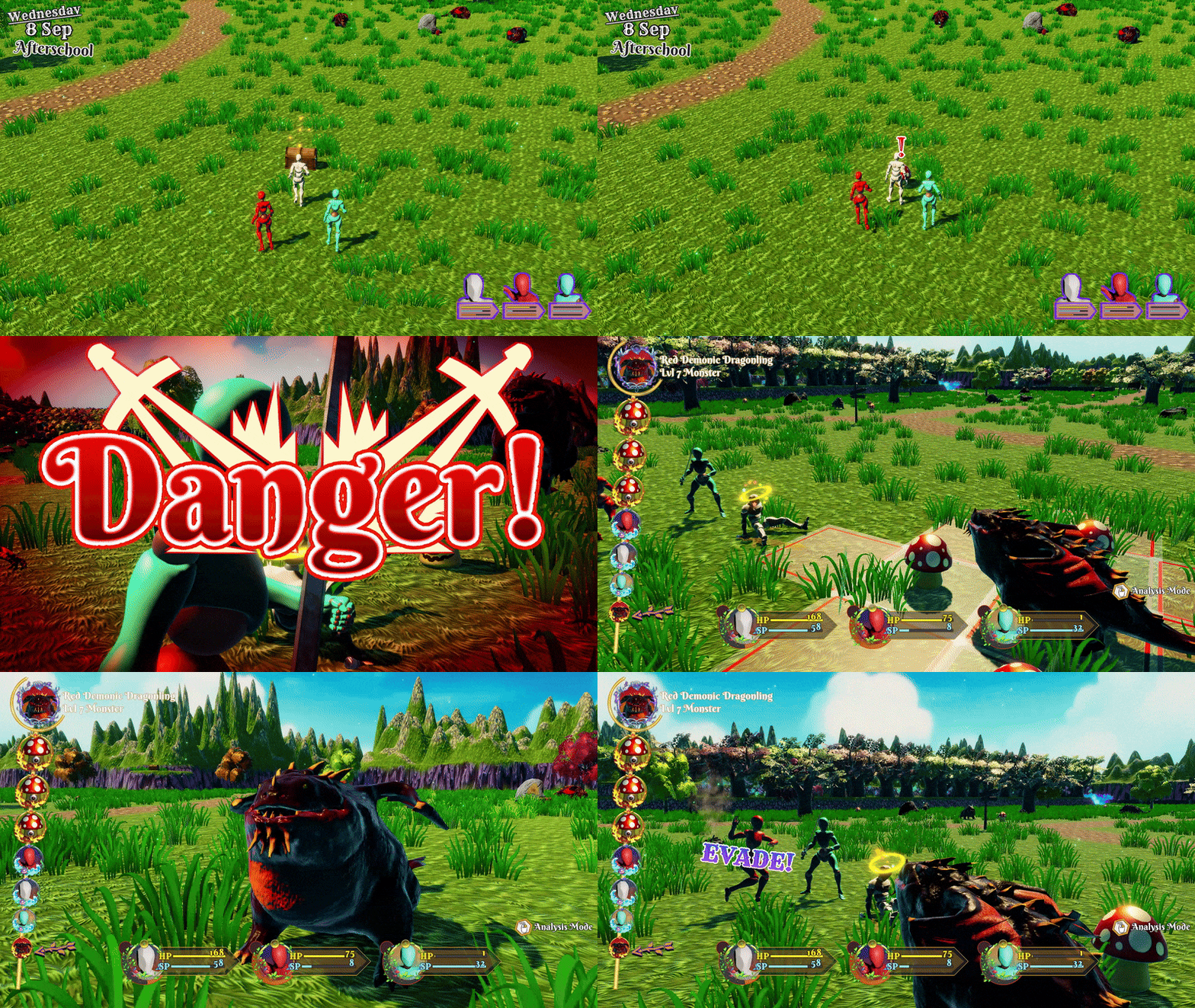
So far, I’ve completed an advanced prototype of the project in Unity which begins at Day two, afterschool, of the story. The prototype showcases an early stage of adventuring through the fantasy realm: camping with friends, battling monster, collecting ingredients, shopping, enhancing equipment, looting treasure chests, and challenging the first boss.

Development is still ongoing with the github repository being updated with new mechanics. The next stage is to publish the second version of the prototype for play which includes the “high school” side of the project and the card minigame known as “Territorial” inspired by Gwent.

The Itch.io and Gamejolt pages have more details about the full project and the first prototype.

Programming Duties

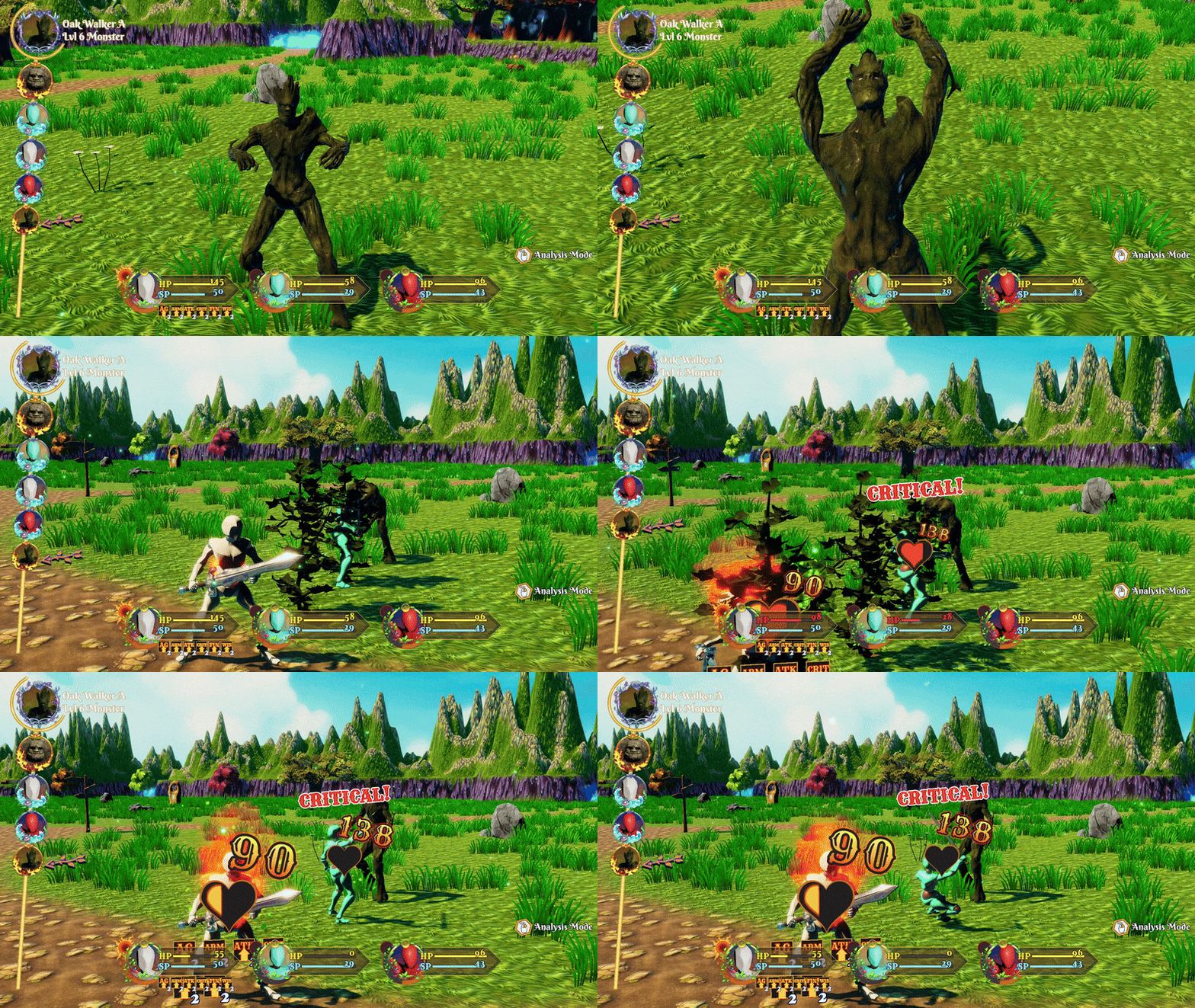
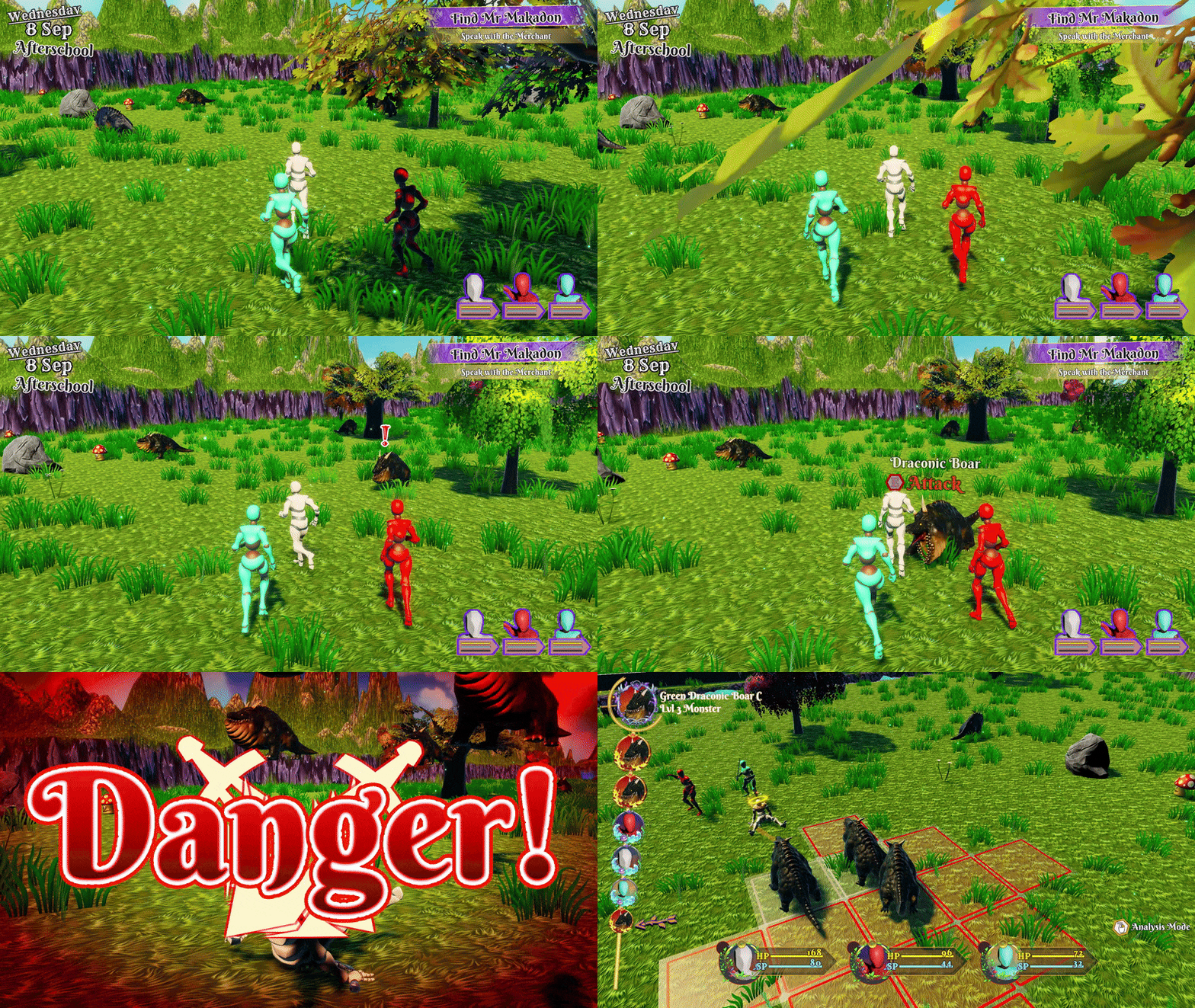
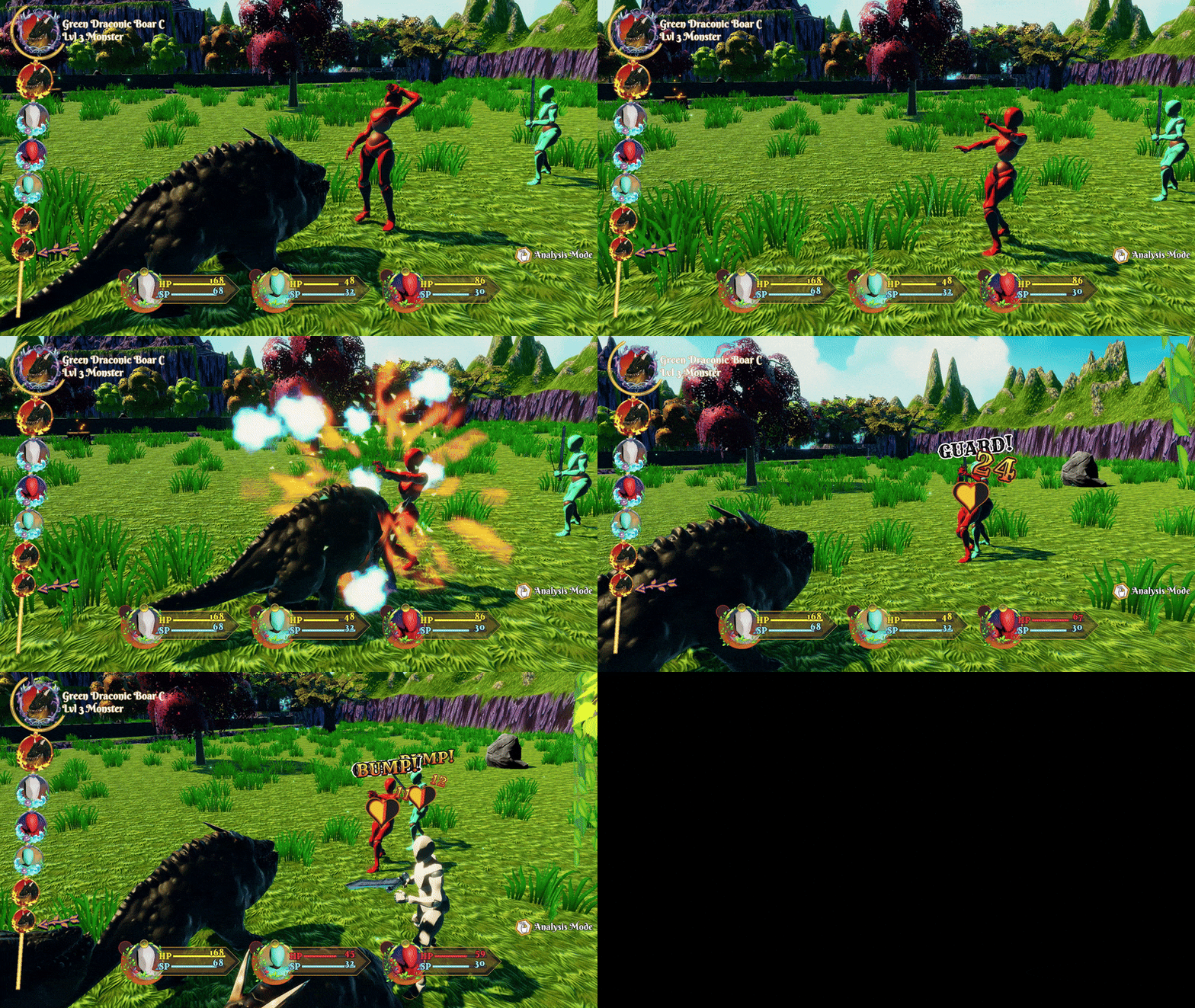
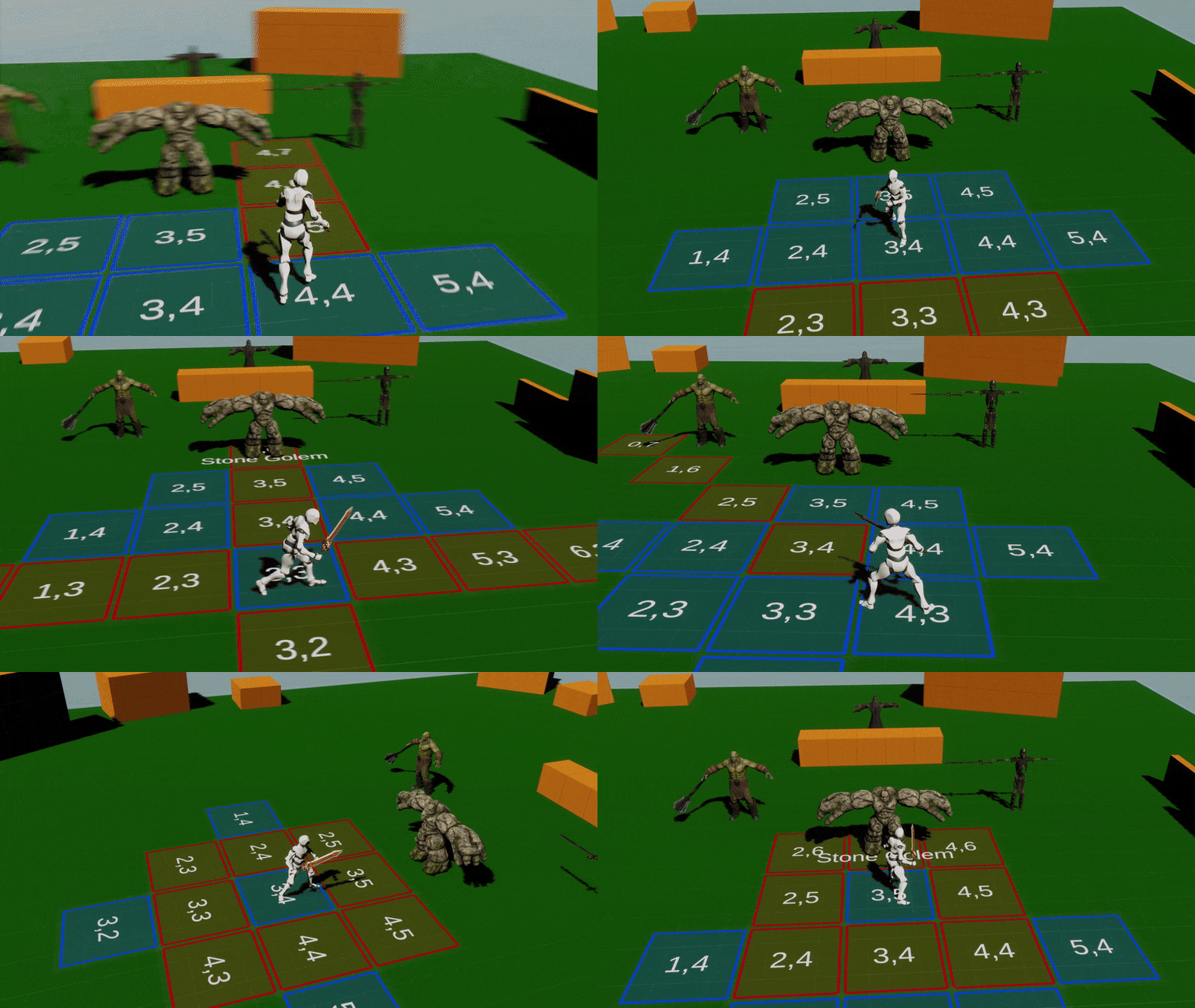
I implemented a grid turn-based battle system that can occur anywhere on the level and prevents players and enemies from walking on grid cells with obstacles.

The skill system is programmed to be scalable and designer friendly. You can design single target skills or AOE skills that target an area in the shape of a cross, diagonally or even circularly.

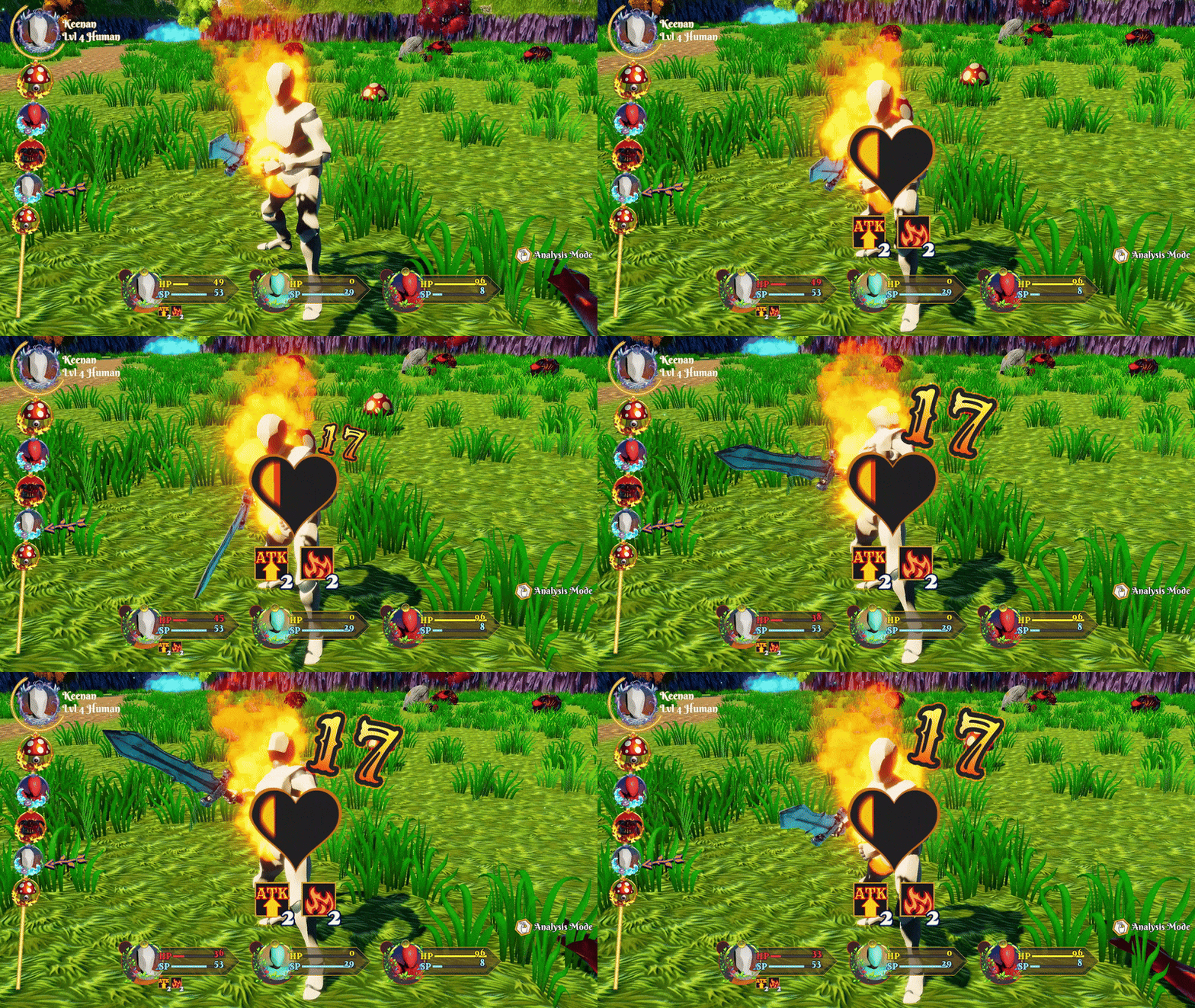
A scalable status effects system that makes use of inheriting from an abstract Status Effect class. Each Status Effect must define a definition for when the effect is applied, cured, and stacked.

For effects such as burning that damages a character on turn end, it adds a burn character event to a list of events to trigger at the end of its character’s turn.

A system that allows player to interact with items in the environment (Treasure chests, dropped loot, harvestable ingredients) by determining when the player has entered its radius and if the player is looking at it.

The system can handle when the player is within the radii of two items and will choose the item closest to the player as the valid interaction.

The system makes use of inheritance so each class can handle interaction differently. E.G A shop displays the Shop UI on interaction whilst an ingredient adds itself to the player’s inventory.

Upon defeating enemies, XP is rewarded to each party member that was alive when the enemy was defeated. XP is used to level up and at specific levels, new battle skills are unlocked and added to the player’s skillset.

Levels are also used to determine if a party member can equip a specific weapon or armour.

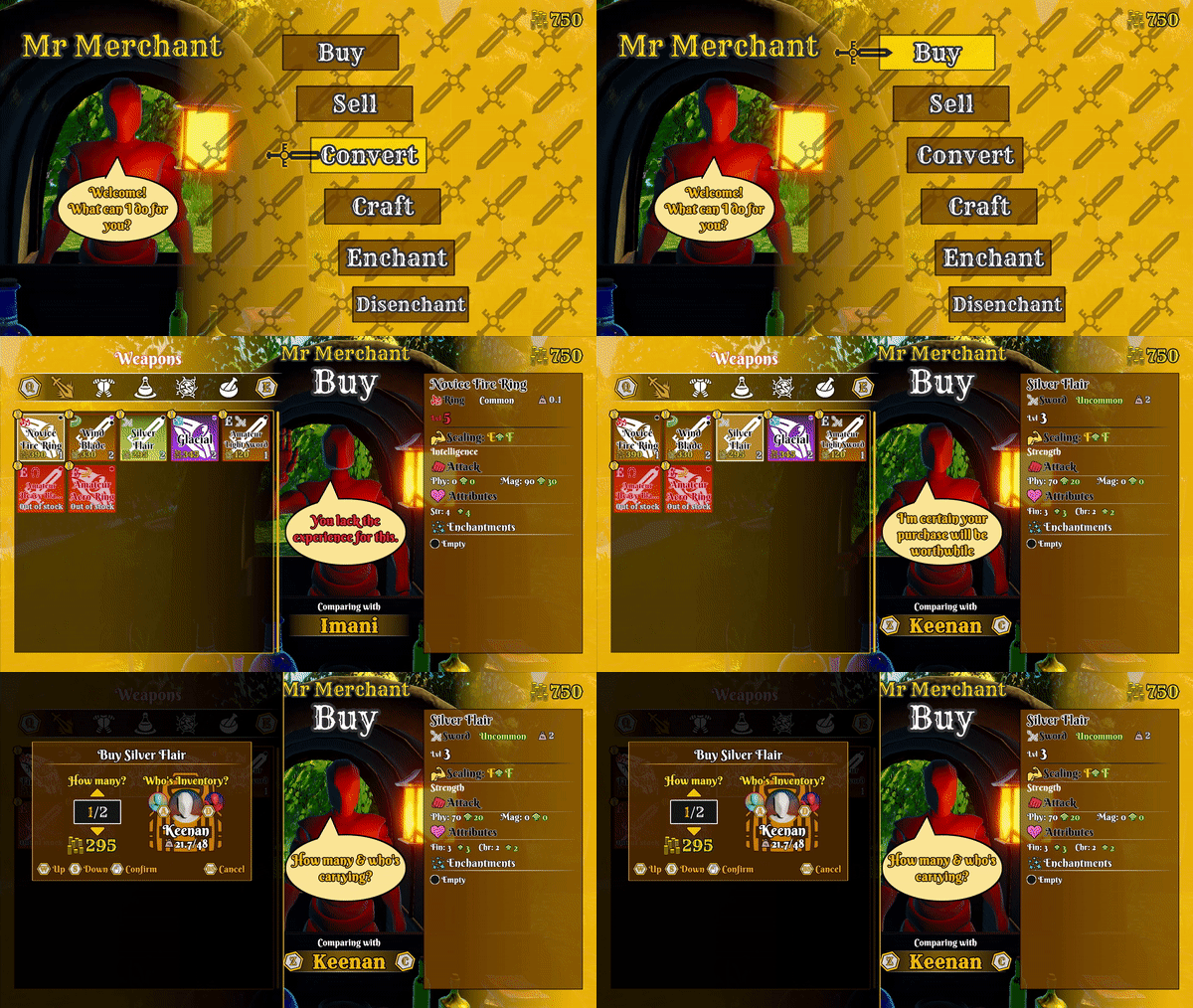
The shopping system has the usual mechanics: Buying and selling equipment. However, as the game runs on a calendar system, stock is limited each day and replenished the next.

Additionally, currency can be converted from British pounds to fantasy coins.

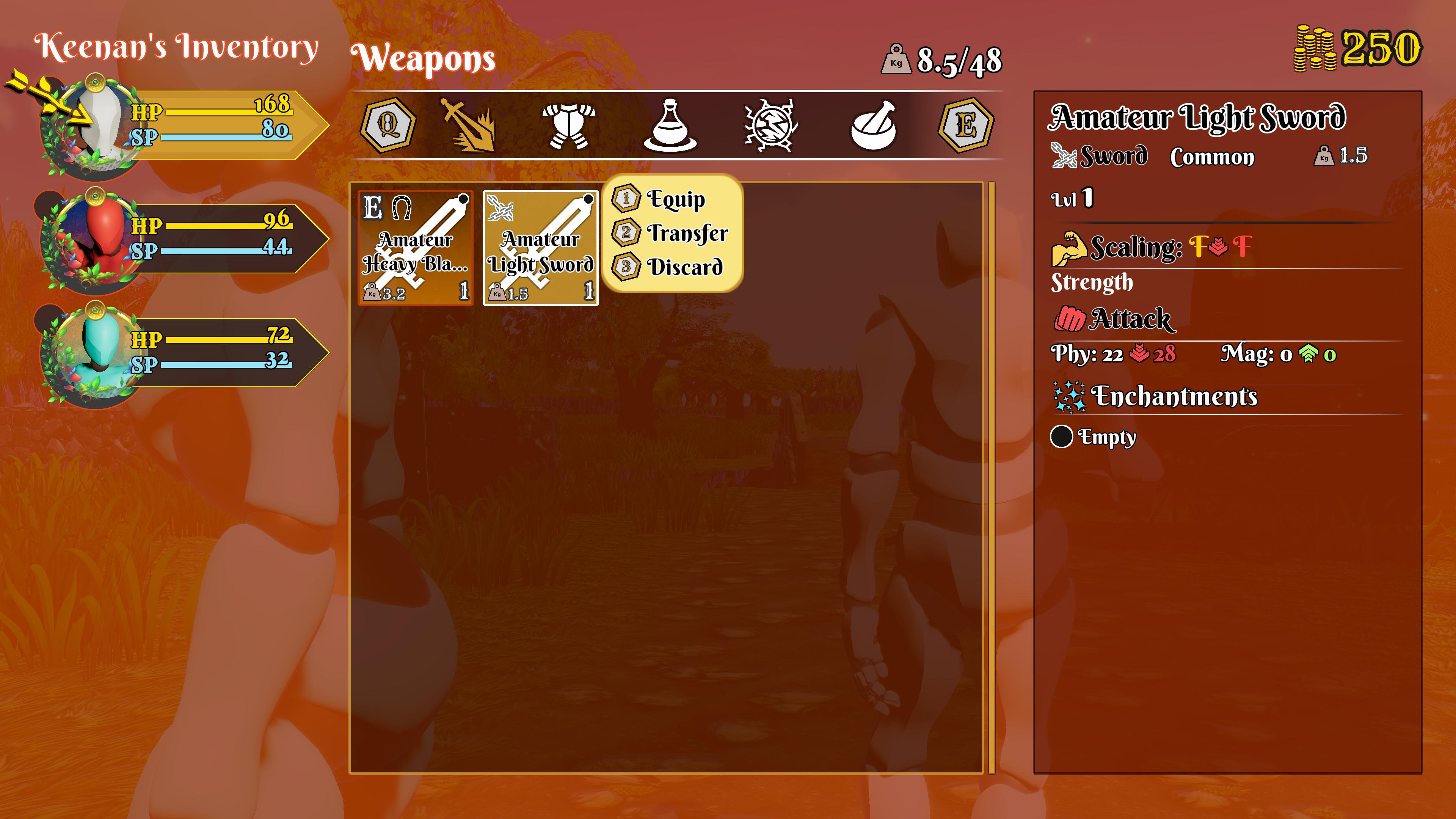
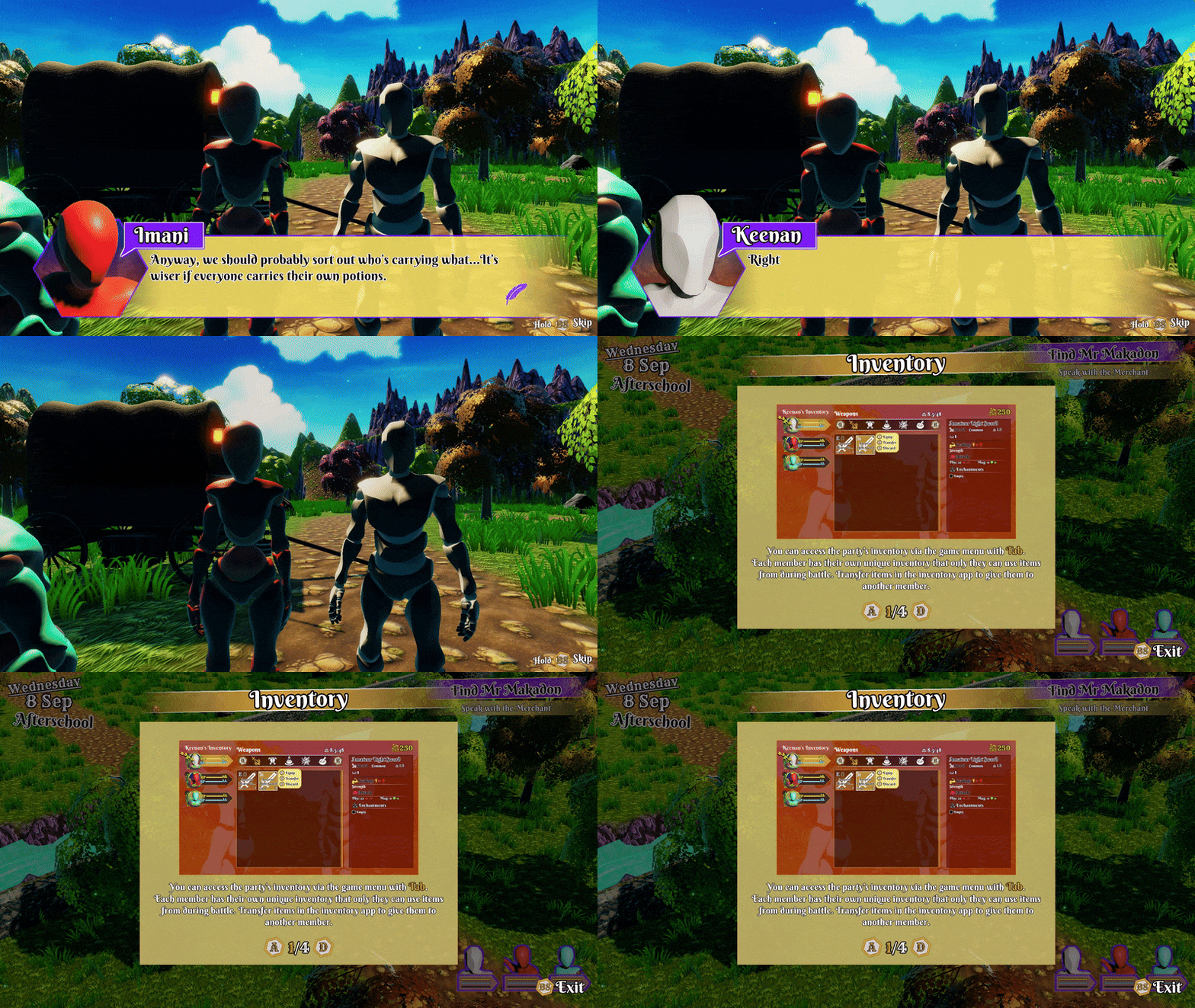
A party inventory system where items can be transferred between party members, equipped or discarded.

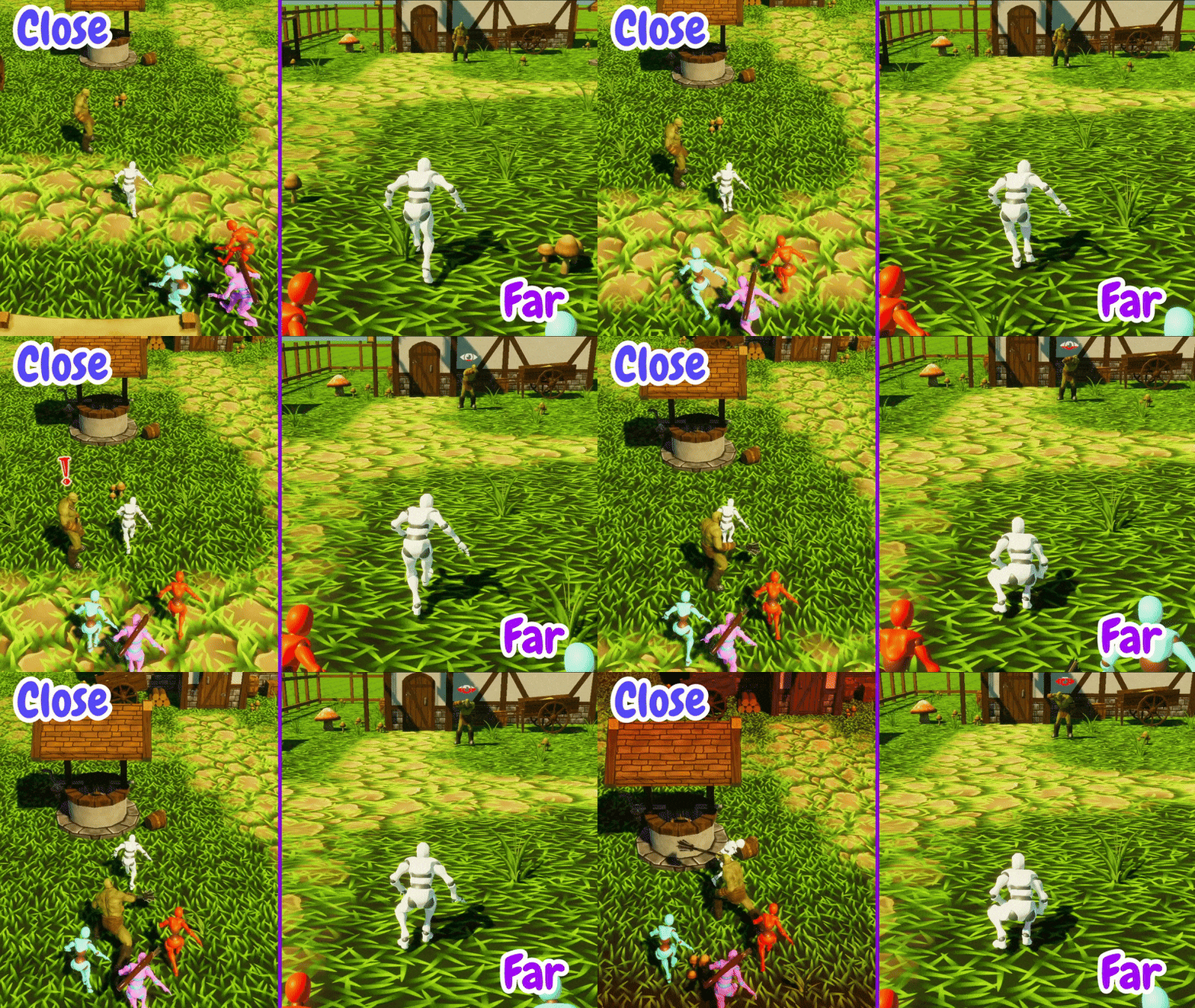
The enemy patrol AI is implemented with a state design pattern. I programmed behaviours for patrolling, investigating suspicious sounds and sights, chasing the player when spotted, and attacking when in range of player.

The enemy Combat AI is programmed to be designer friendly allowing me to edit their behaviour by simply modifying variables in the inspector. Enemy’s can target players randomly or behave more strategically by targeting the player with the lowest health or a player that is weak to their attack.

Enemy’s determine which skill to used by analysing various factors and assigning the skill with an action score. The skill with the highest action score is performed.

To restrict the enemy from spamming their most powerful moves, skills are given a cooldown or skill conditions such as “Only use healing skills when health is below 50%”.

As the player can always outrun guards, I had to make the guards smarter.

Once a guard spots the player, they will alert fellow guards in the vicinity. Some guards will chase while other guards will run to a nearby ambush point, wait and once the player is nearby they will try to ambush.

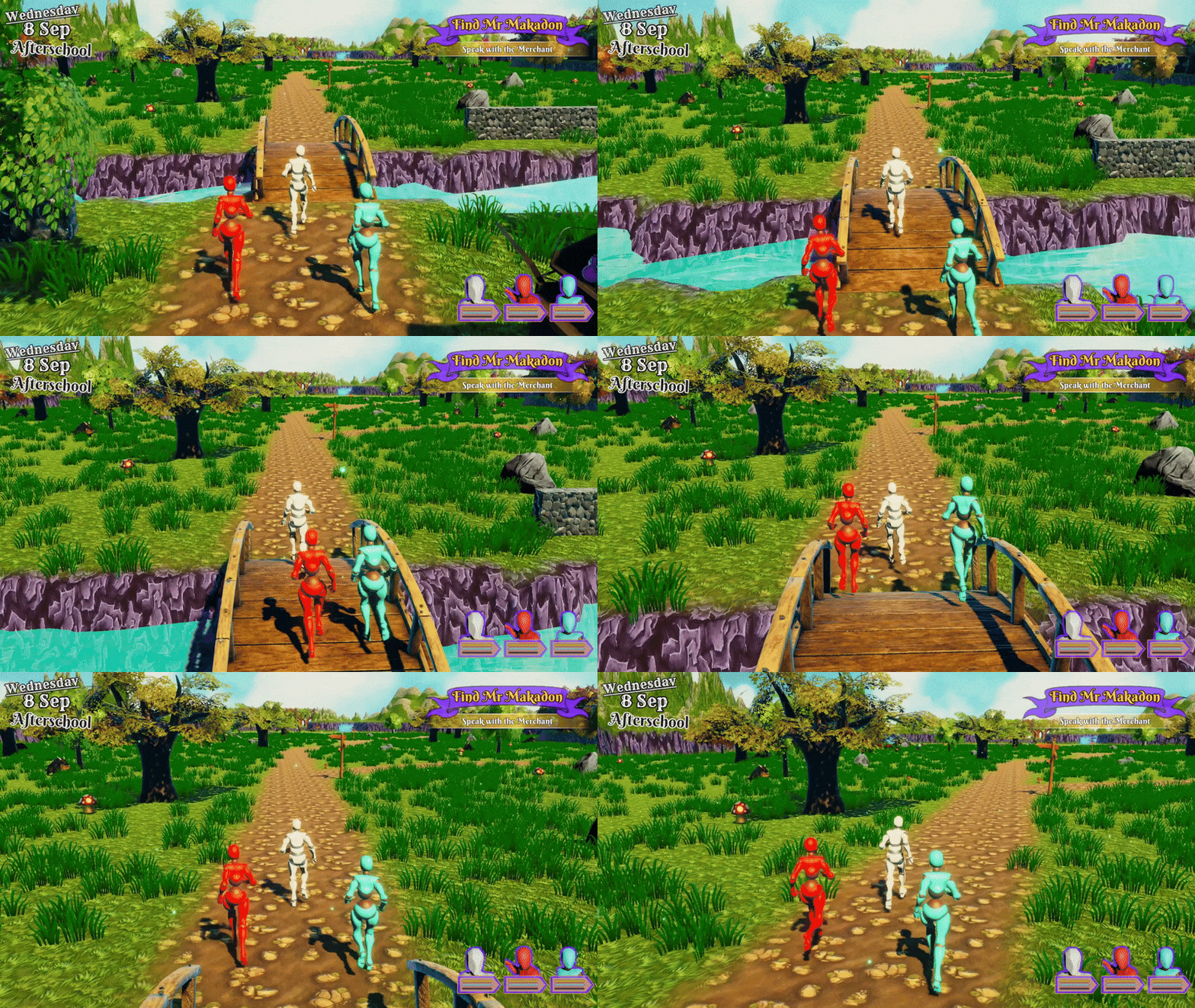
The accompanying party members follow the player-controlled party member from a suitable distance and enter stealth mode when the player triggers the input to crouch.

A stealth system where the player can sneak past enemies and gradually fill an enemy’s suspicious meter when in their line of sight. This meter fills faster the closer the player is to the enemy’s eyes.

Currently, the only implemented stealth item is a barrel. In certain areas, the barrel can avoid the suspicion of guards and conceal them.

However, if the guard spots the barrel idling in an unusual area, like the middle of the road, or moving, the guard’s suspicion meter will gradually increase, and they will move to inspect the barrel.

The card minigame is still in development. But thus far, I’ve implemented playing a card to the board, triggering card abilities, and initiating card battles with characters.

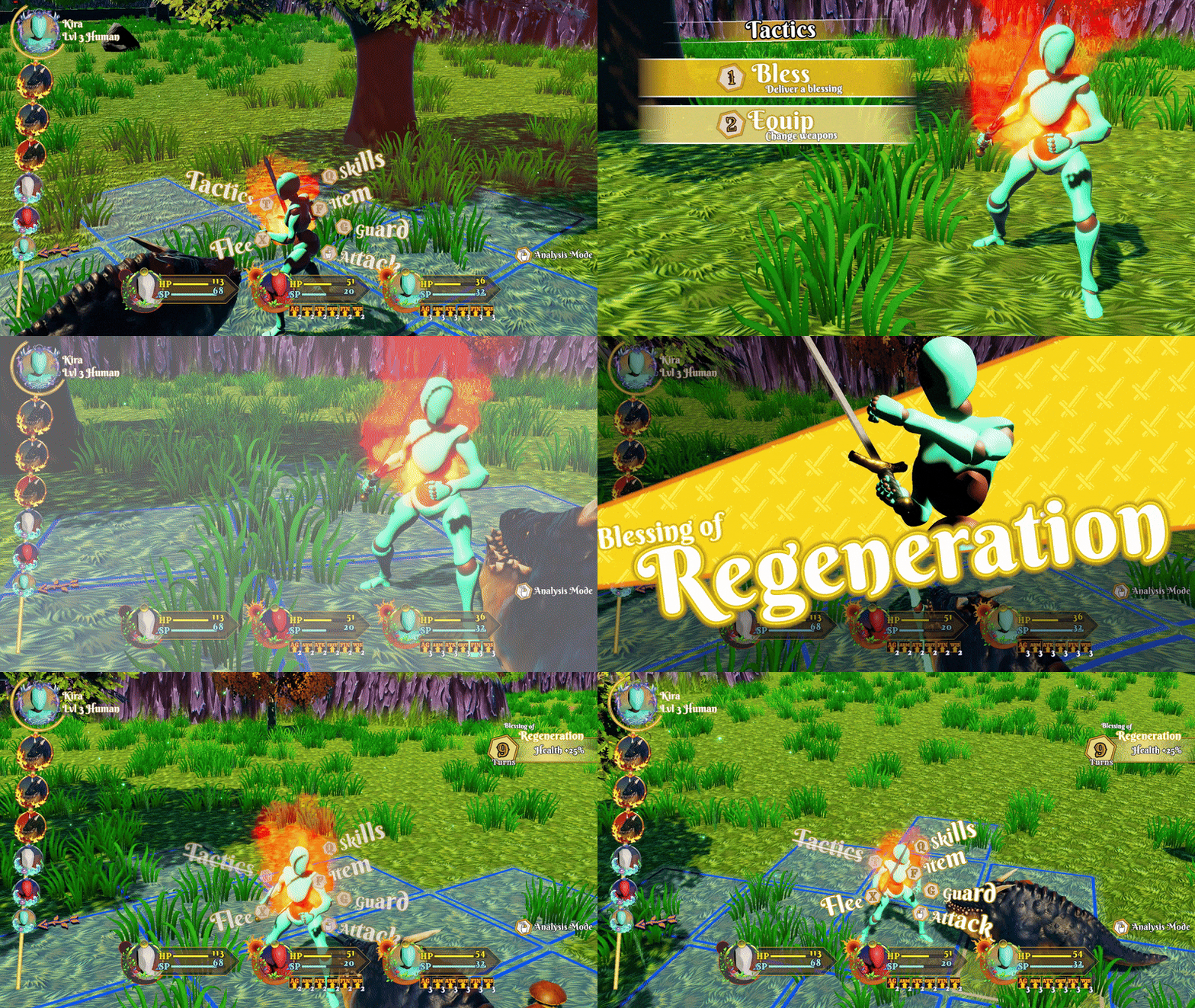
Weapon and armour can be upgraded by enchanting them. These enchantments can improve the player’s attributes and provide passive effects.

E.G: The regeneration enchantment restores 5% of the owner’s health at the start of each turn.

At the start of battle, equipment with passive effects have their class spawned into the scene and subscribe to events so they can be triggered during battle.

The game has dialogue choices, and these choices can affect the story. Thus, I implemented a system where a different cinematic and dialogue will play based on player’s decision.

This system can also trigger events such as the player picking an aggressive dialogue option and once the cinematic completes, a battle will begin.

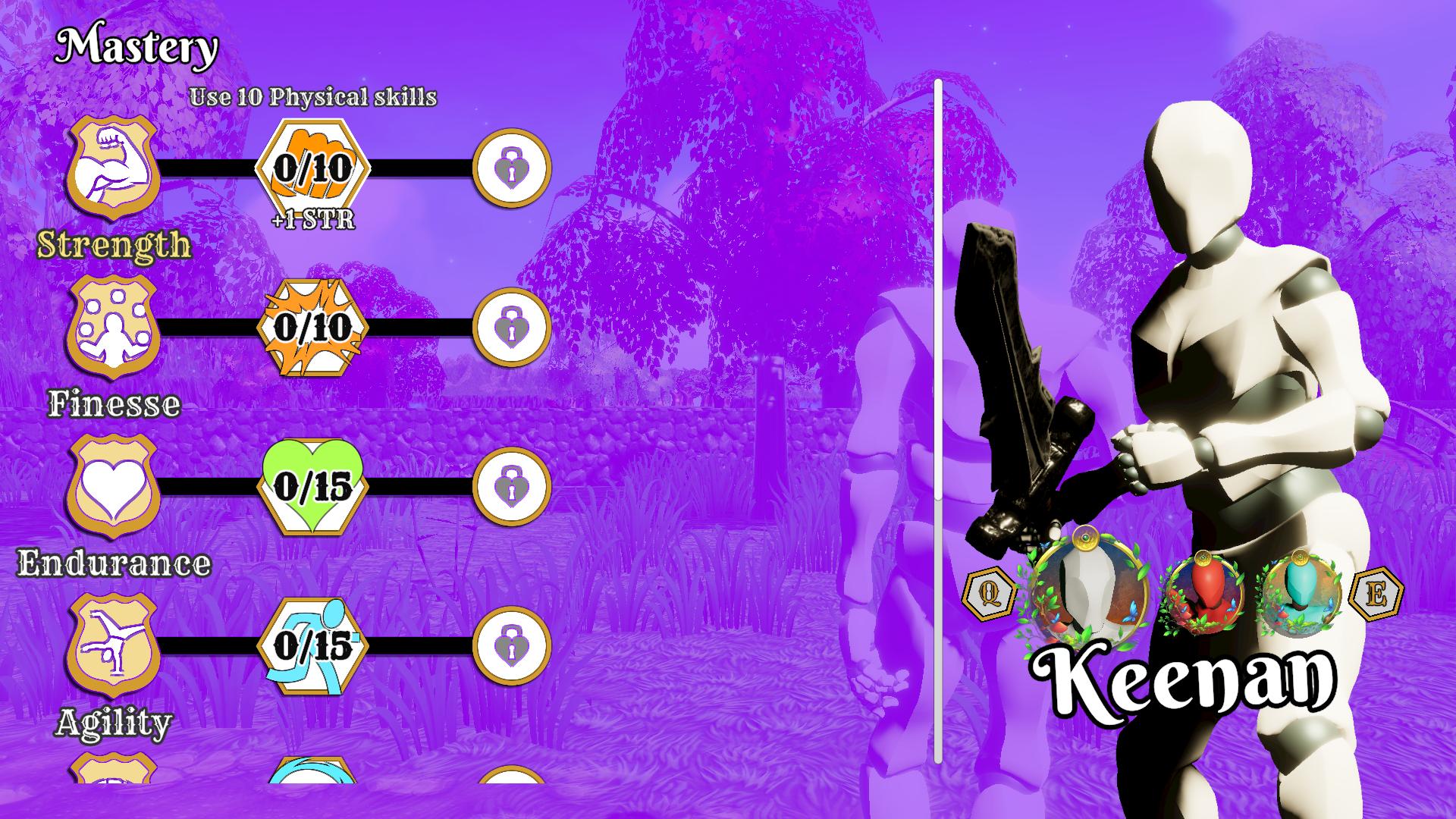
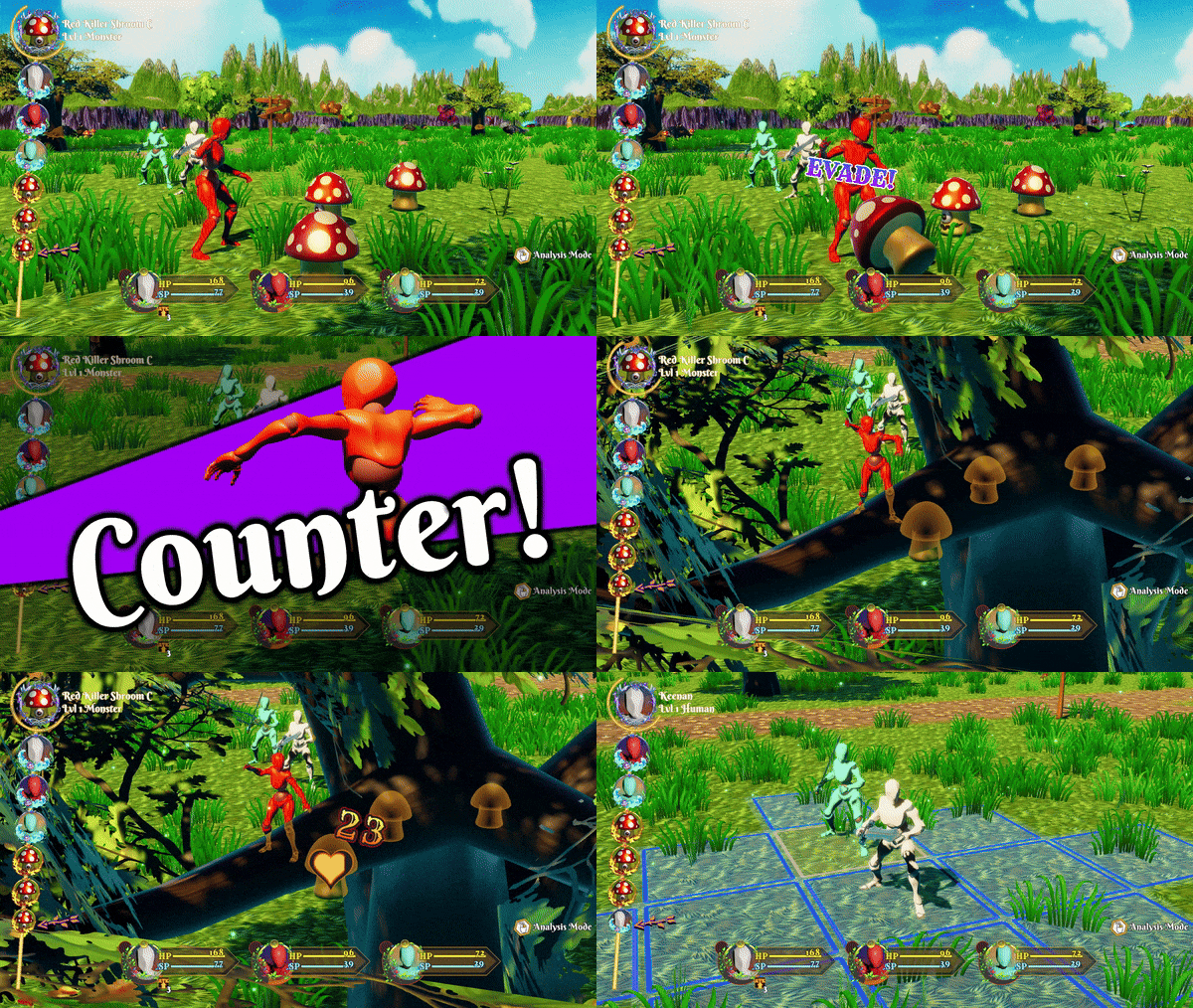
Masteries keep track of each party member’s combat progress. E.G Dodge twenty-five attacks.

Each dodge is recorded by listening to an event that is called when an attack is evaded. Once the target number is reached, the member is rewarded with attribute points.

All necessary data is serialized and stored in a text file which can be read from and used to load the player’s progress.

The system is built to allow multiple save slots.

A quest system that tracks the completed story objectives, assigns the next objective, and raises necessary events upon quest or objective completion.

The tutorial system adapts the controls to display depending on the player’s connected input device.

Therefore, even if player is playing on PC but is using a PlayStation controller, the tutorial system will detect this and display the respective controls and revert to PC controls when controller is disconnected.

Design Duties

I designed the core gameplay loop and how the school mechanics will complement the main turn-based combat in the fantasy realm.

At school, player’s will attend classes and clubs to raise attributes to improve their performance during combat.

Also, they will spend time with friends which will unlock cool passive skills for themselves and their party members.

I designed the combat. My goal was to make turn-based combat exciting and not grow stale over the game’s potentially long adventure. I designed many mechanics that will allow players to complete small battle’s quickly and feel rewarding. Also, mechanics that require strategy and will make the player feel smart upon successfully performing them. Throughout the journey, new combat mechanics will be introduced to maintain player interest.

I designed the level to be spacious to accommodate the combat. Precious items and treasure chests are hidden behind enemy patrol routes to make player work to obtain these items either by defeating the enemies or strategically sneaking past them.

Additionally, this is the first level in the game. Thus, I opted for simplicity when designing it. The level is split in half by a river where the tutorial battle occurs in the first half of the area to ensure other enemies do not join the tutorial battle and elongate it.

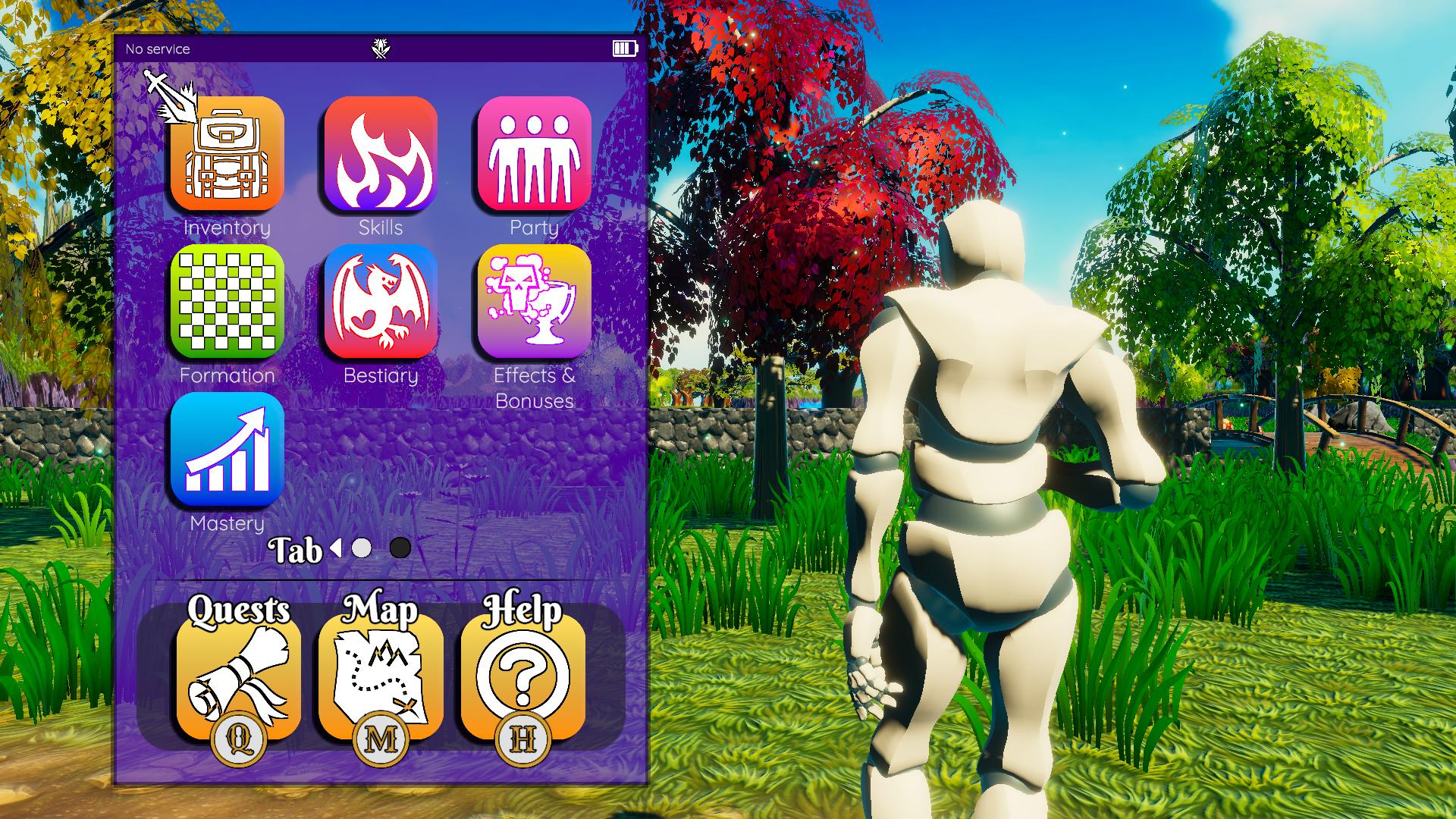
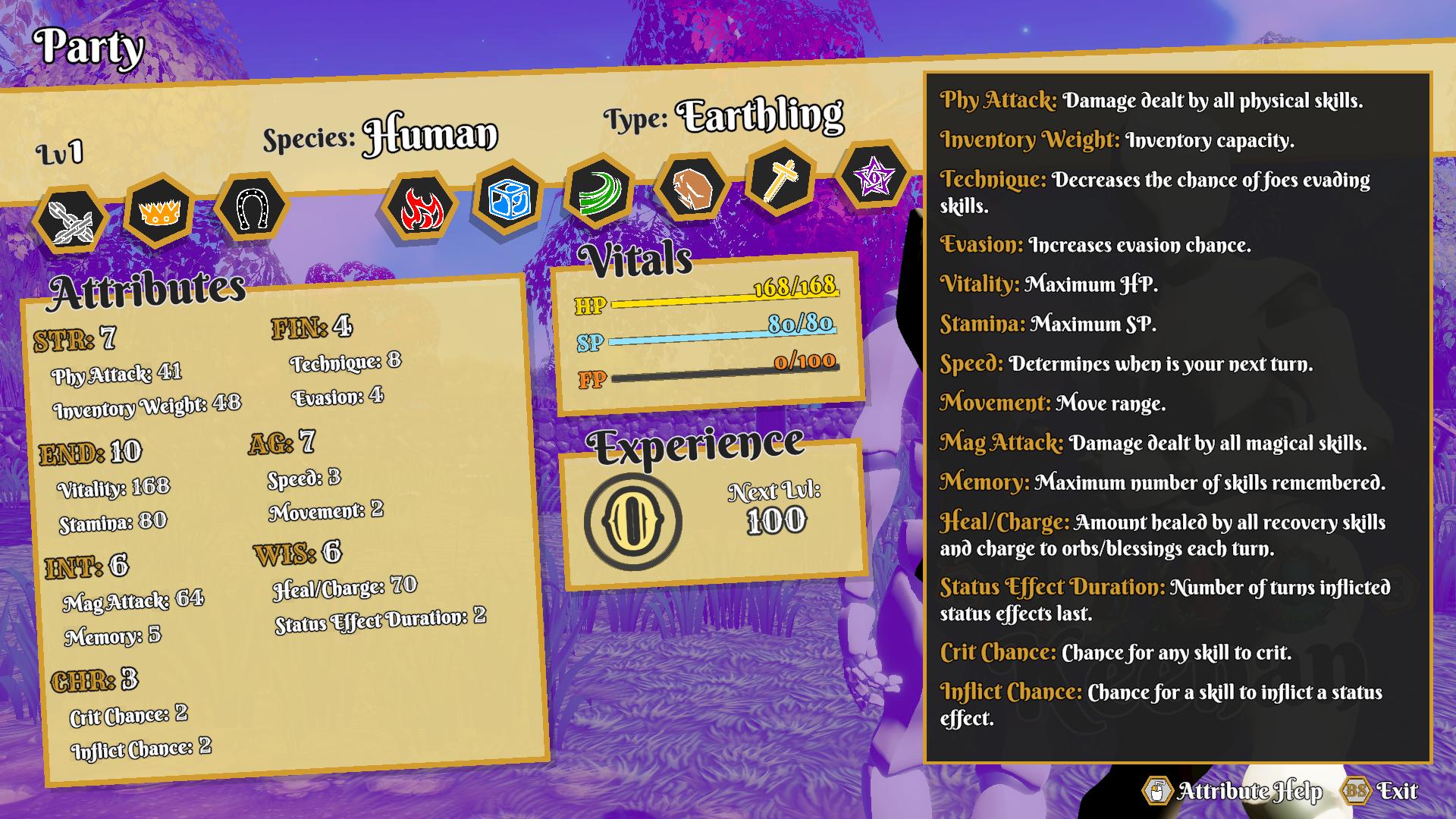
I designed all the menus and HUD in the game. My main goal was to display all the necessary data to the player in a stylish manner despite lacking graphic design skills.

I wrote the script and designed the game’s narrative and how it connects with the gameplay.

I designed the cinematics and implemented them with Unity Timeline. Additionally, I hooked up events triggered by dialogue during the cinematics.

I designed the card mini-game and various card abilities for it.

I designed the seven attributes that the player must improve throughout the game and how they influence combat.

I designed formulas to calculate the amount of damage taken considering the attacker’s strength, and target’s armour.

Other formulas include: determining a target’s chance to evade an attack based on the attacker’s accuracy and the target’s evasion stats.

Determining when a character’s next turn is factoring the speed stat of all the characters in the battle.

Since there is no cap on attribute levels, I had to design formulas for how Max Health and Stamina would increase as the player increases their endurance.

I designed all enemy and party member skills and balanced their damage and effects to ensure the skills were fun but not too powerful to where enemies were too difficult or players too strong.

I designed weapon, armour, potions, and other combat useable item’s stats and effects. Similarly to skills, I wanted them to be fun but not too powerful.

Art Duties

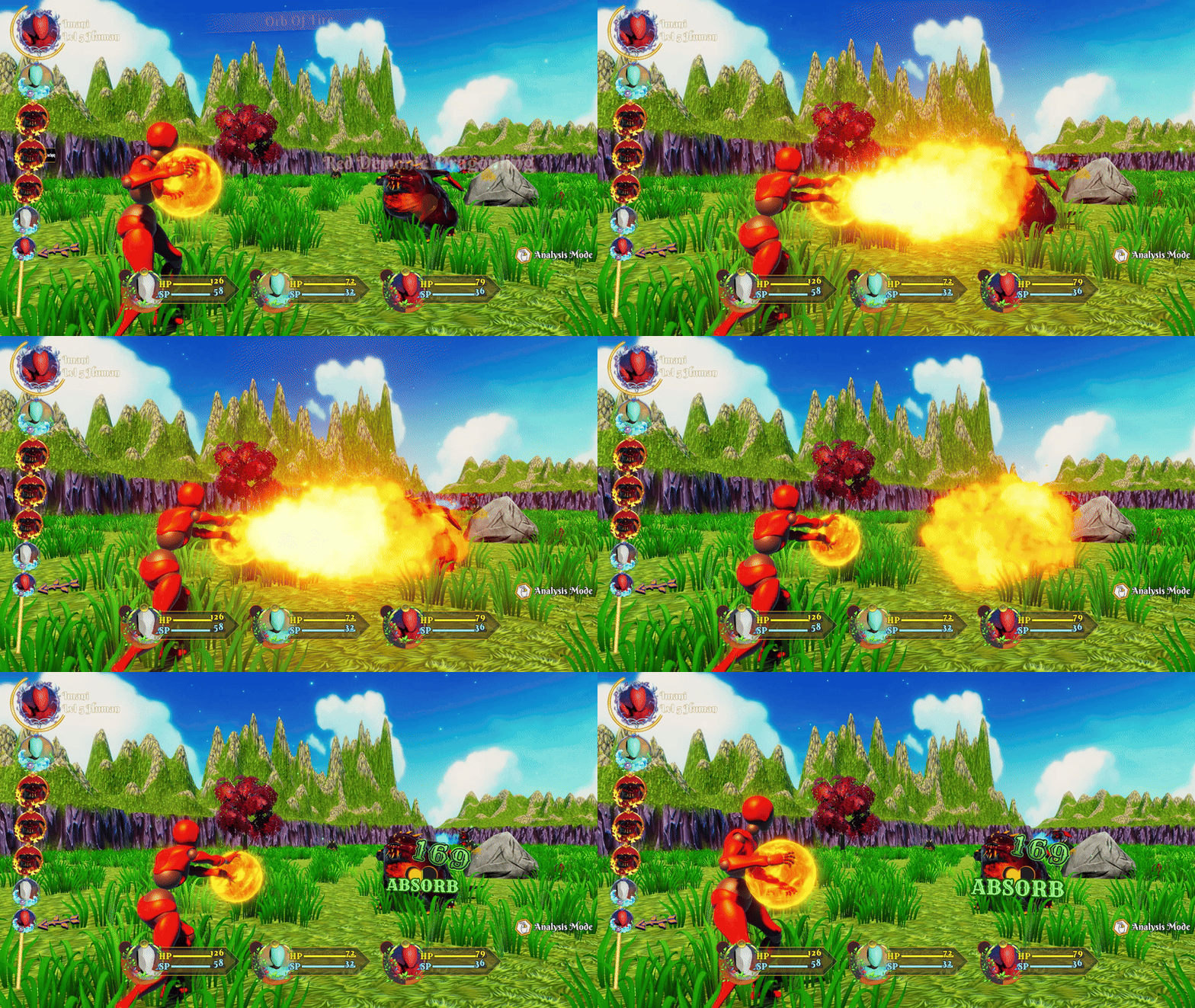
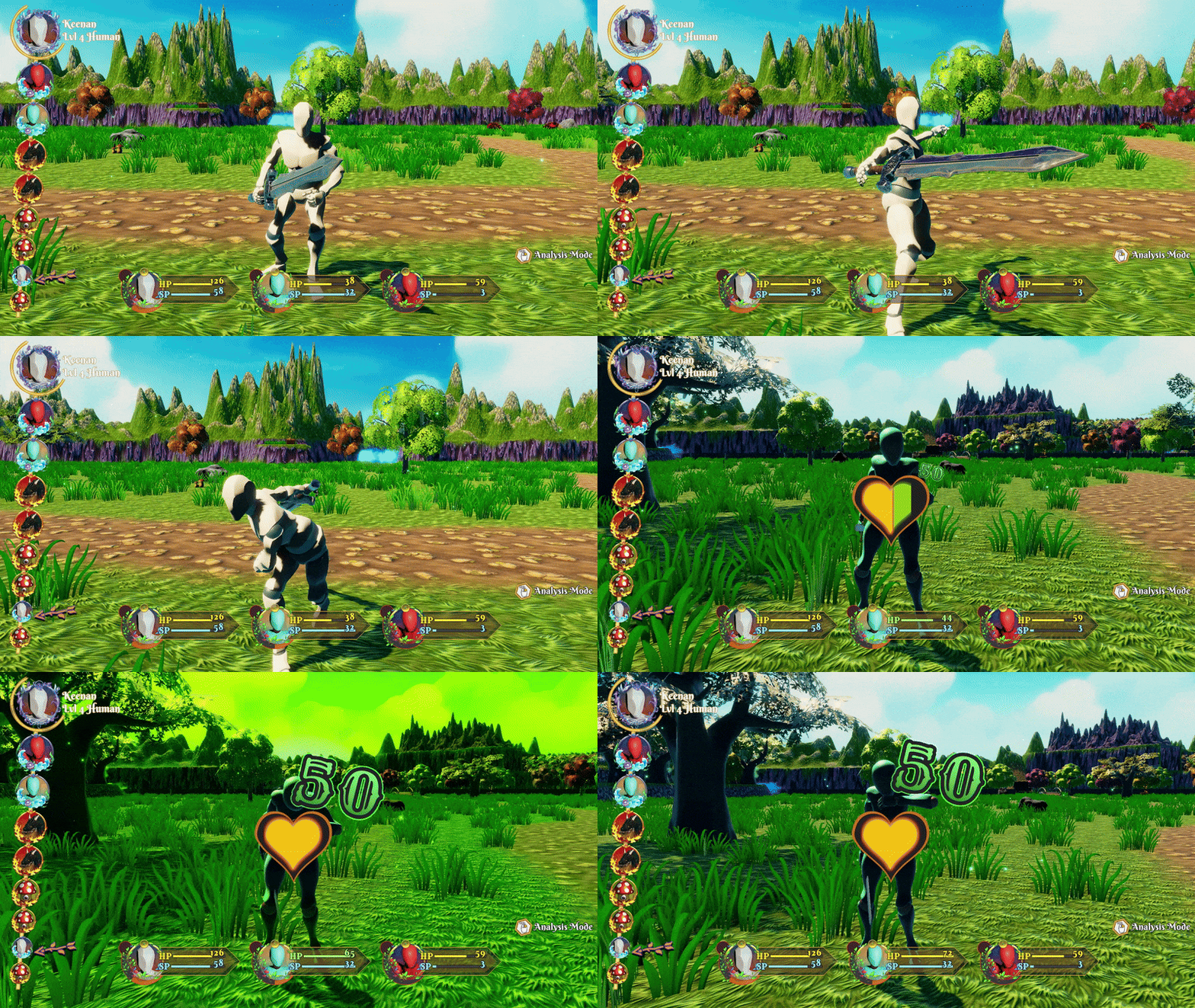
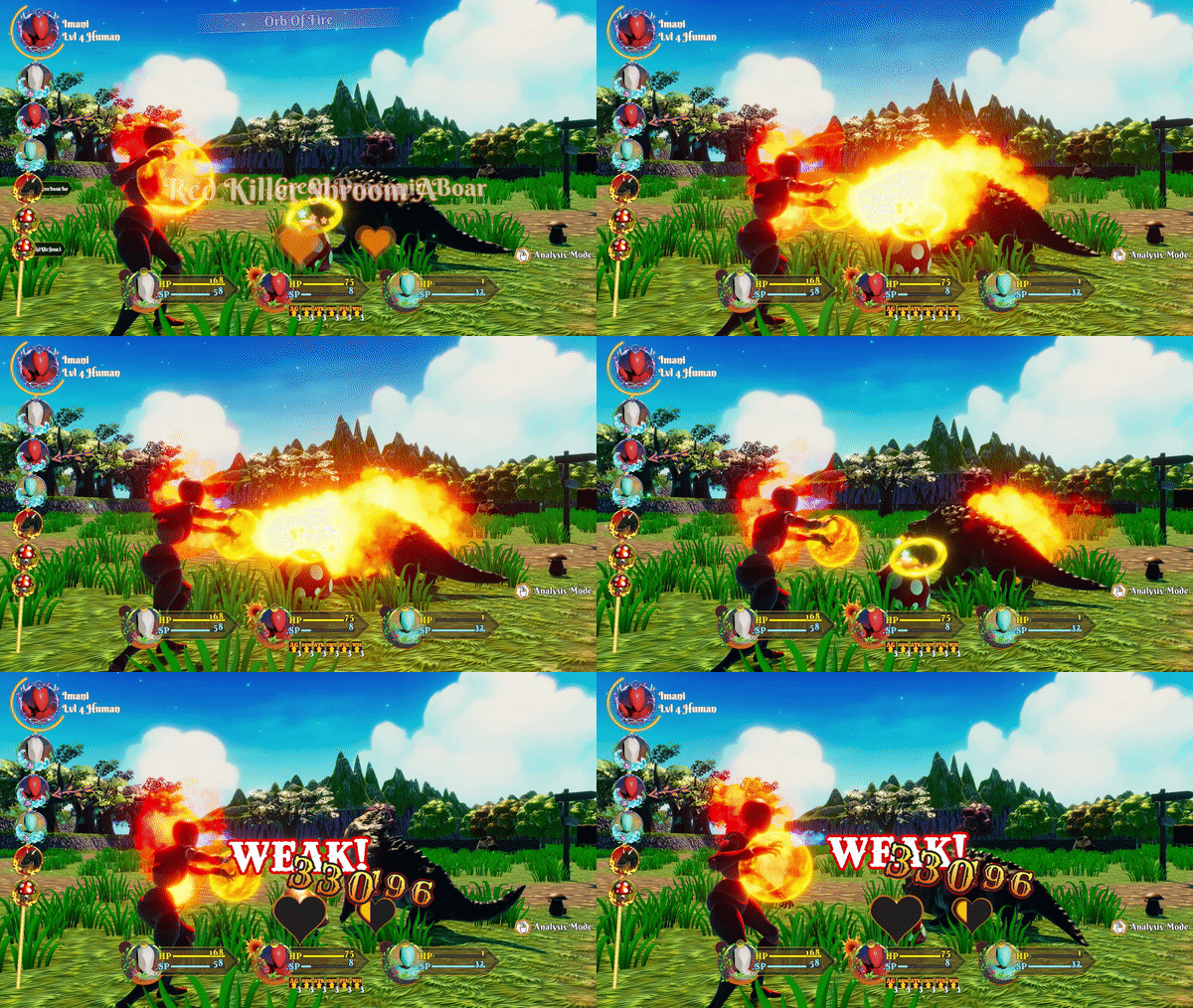
I created all the VFXs seen in the game using Unity’s particle system.

...

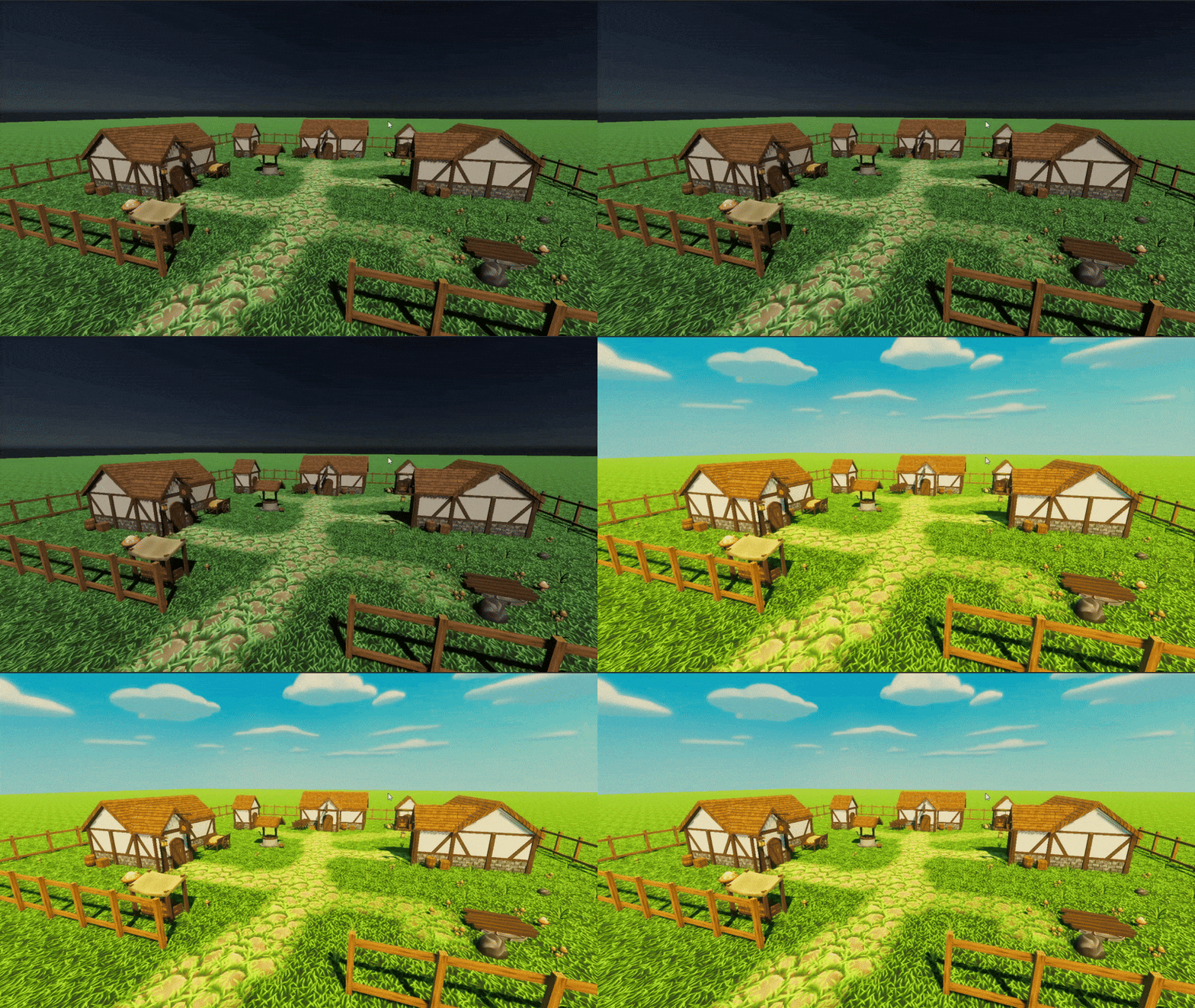
Using Unity’s HDRP Post-processing package to apply a vibrant, cheery, and magical feel to the fantasy level.

I implemented a shader, made with Unity shader graph, that becomes visible when a character is obscured by an obstacle such as a tree during combat.

Contact

reneetide@gmail.com